
 Tiếng Việt
When an insurer pays compensation to the cargo owner after a maritime loss, can the insurer directly sue the carrier?
The answer is: Yes — through the mechanism of subrogation rights.
A recent appellate judgment from the People’s Court of Ba Ria – Vung Tau Province https://luatvietnam.vn/ban-an/ban-an-12-2023-kdtm-pt-4-2384-d11.html provides a valuable practical illustration of how Vietnamese courts approach:
- cargo damage claims,
- maritime carrier liability,
- subrogation rights,
- limitation periods,
- and settlement dynamics in maritime disputes. 📚
🚢 Background of the Case
A shipment of:
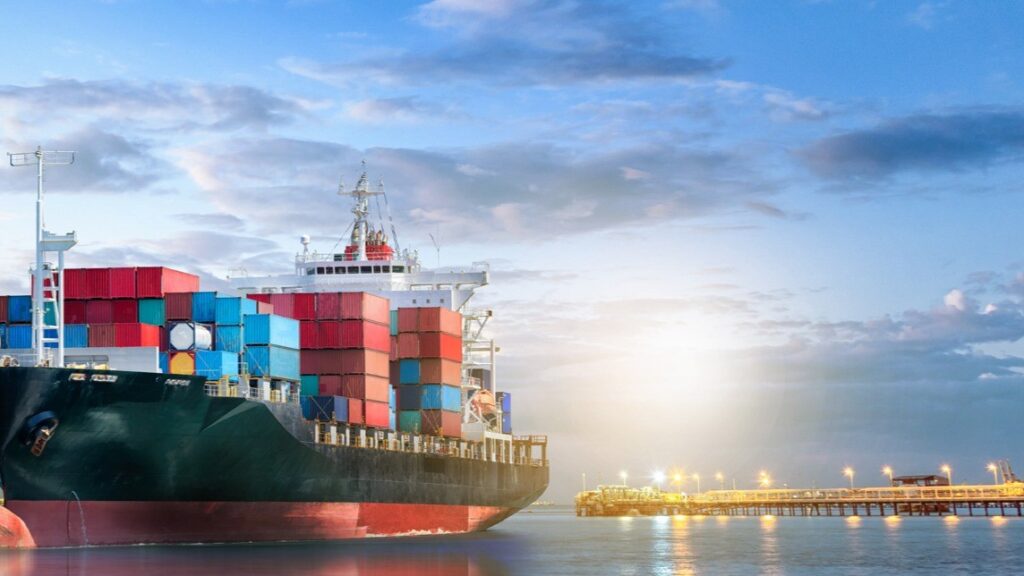
- 2,295 MT of Urea fertilizer was transported by sea from Phu My Port to Nghe An Province under a chain of transportation contracts.
During the voyage, the vessel Queen 36 allegedly collided with a submerged object near Cua Lo channel on 30 January 2020, causing seawater intrusion into cargo holds and severe cargo damage.
Survey findings recorded:
- damaged cargo: 1,473 MT
- total loss value: approximately VND 9.45 billion.
The cargo insurer later indemnified the cargo owner and initiated recovery proceedings against the carrier chain based on subrogation rights.
⚖️ What Is “Subrogation Right”?
Under Vietnamese law, once an insurer indemnifies the insured party: the insurer may step into the shoes of the insured and pursue recovery against the party responsible for the loss.
The appellate court expressly recognized this principle under Article 365.2 of the Civil Code.
Importantly, the court confirmed that:
- a valid transfer of claim/right-to-sue from the cargo owner to the insurer was sufficient to establish the insurer’s standing to sue.
📌 This is a highly significant point for:
- marine insurers,
- cargo underwriters,
- recovery actions,
- and cross-border logistics disputes in Vietnam.
🔍 Key Legal Issues Highlighted by the Court
1️⃣ Correct Characterization of the Dispute
The appellate court clarified that this was NOT merely: an insurance reimbursement dispute.
Instead, it was properly characterized as: a maritime cargo damage claim arising from a contract of carriage by sea.
This distinction mattered because it determined:
- applicable legal regime,
- limitation period,
- carrier defenses,
- and maritime liability principles.
2️⃣ Limitation Period — 1 Year or 2 Years?
One of the most important aspects of the judgment involved limitation periods.
The defendants argued:
- the claim was time-barred under the 1-year limitation period under the Maritime Code.
However, the appellate court held:
- the underlying arrangement constituted a voyage charter/carriage by voyage;
- therefore, the applicable limitation period was 2 years under Article 195 of the Vietnam Maritime Code.
📌 This is a particularly valuable practical precedent because: many maritime disputes in Vietnam involve confusion between:
- bill of lading claims,
- charterparty claims,
- and voyage carriage arrangements.
3️⃣ Contractual Carrier vs Actual Carrier
The court distinguished:
- contractual carriers,
- and the actual carrier operating the vessel.
This reflects the reality of modern shipping structures involving:
- layered subcontracting,
- logistics intermediaries,
- and operational vessel owners.
📌 Liability exposure in maritime disputes often depends heavily on correctly identifying these relationships.
4️⃣ Carrier’s Exemption from Liability
The carrier parties argued that:
- the incident was a maritime accident,
- involving a submerged object,
- falling under statutory exemptions from liability under the Vietnam Maritime Code.
The insurer, however, contended that:
- the incident was not force majeure,
- and may have involved negligent navigation or vessel management.
Although the court ultimately did not render a final liability determination due to settlement, the case demonstrates the complexity of:
- burden of proof,
- seaworthiness defenses,
- and nautical fault arguments in Vietnamese maritime litigation.
🤝 Final Outcome — Commercial Settlement at Appellate Stage
Interestingly:
- the first-instance court dismissed the insurer’s claims entirely.
However, during appellate proceedings:
- all parties reached a negotiated settlement.
Settlement terms included:
- carrier contribution,
- vessel owner contribution,
- and payment by the vessel liability insurer.
📌 The appellate court officially recognized the settlement agreement.
📌 Practical Lessons from This Case
✅ Subrogation documentation must be carefully drafted and preserved.
✅ Proper classification of maritime contracts directly impacts limitation periods and liability exposure.
✅ Maritime exemption defenses require strong technical and evidentiary support.
✅ P&I / liability insurers often play a decisive role in resolving cargo claims.
✅ Even highly contested maritime disputes frequently conclude through commercial settlement rather than final judicial findings.
⚠️ This post is provided for informational and professional discussion purposes only and should not be considered legal advice.
THE LAM LAW LLC
🏢Indochina Park Tower, # 4 Nguyen Dinh Chieu Str, Tan Dinh Ward, Ho Chi Minh City.
📞Tel: +84 (0)28 710 58 222 – 6288 3798 – Hotline: +84 (0) 973 097 777
✉ Email: info@thelamlawllc.com





Related Posts
Happy Vietnamese Women’s Day
On the occasion of Vietnamese Women’s Day, THE LAM wishes all women, female Lawyer &
Oct
Happy Vietnamese Lawyer’s Traditional Day
💖 Warmest congratulations on the 81th Anniversary of Vietnam Lawyers’ Traditional Day (October 10, 1945
Oct
Supporting the Next Generation of Legal Professionals – VMOOT 2026
THE LAM LAW – Your legal need, Our Mission was honoured to support VMoot2026, the
Oct
THE LAM joins V-MED 2026
On 26–27 September 2026, the Final Round of the Vietnam Mediation Moot (V-MED 2026) was
Sep
Strengthening Connections, Building Trust & Creating Business Opportunities
Yesterday morning, September 22, 2026, THE LAM LAW – Your legal need, Our Mission was
Sep
Internal Training – Civil status data special Topic
As public administration continues to shift from a “document presentation” model to a “data-driven” approach,
Sep