

 Tiếng Việt
A genuine business expense can still be non-deductible.
A tax incentive can still be missed.
The difference often comes down to eligibility, timing and documentation.
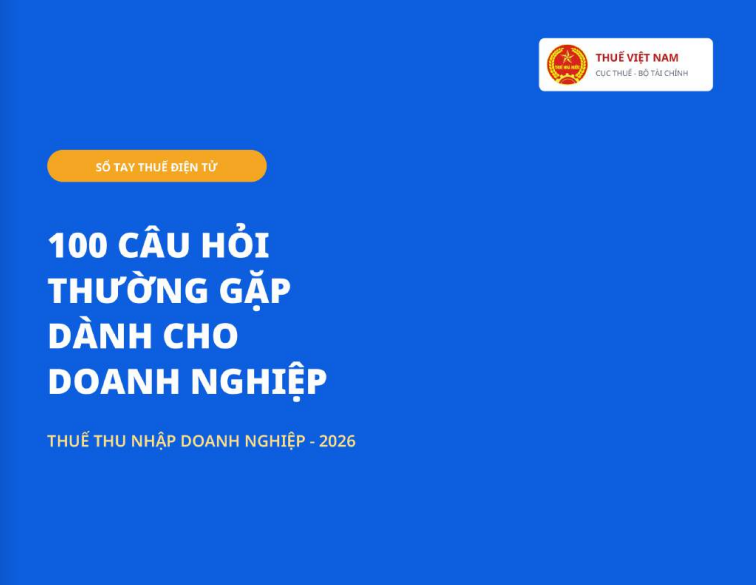
Vietnam’s “2026 Corporate Income Tax Handbook” brings together 100 questions across nine practical themes. For business owners, CFOs and in-house counsel, its value lies in turning tax rules into better operational decisions.
Here are six takeaways worth discussing with your team:
1️⃣ Check eligibility before assuming a tax benefit.
The handbook covers the VND 1 billion annual revenue threshold for CIT exemption and the revenue-based 15% and 17% tax rates.
These are not automatic entitlements. The relevant revenue period, annualisation rules, related-party relationships and excluded income categories can change the outcome. Revenue determines eligibility; it should not be confused with taxable profit.
2️⃣ Revenue recognition starts with the contract.
Delivery, acceptance, service completion and invoicing should tell a consistent story. Misalignment can shift taxable revenue into the wrong period and create avoidable exposure.
3️⃣ Payment procedures can affect deductibility.
The handbook highlights the VND 5 million threshold for non-cash payment documentation in applicable purchases, including aggregation of purchases from the same supplier on the same day.
Procurement and payment teams need to understand this—not only the accountants preparing the annual return.
4️⃣ Review sensitive expenses before year-end.
Payroll, bonuses, employee benefits, depreciation and interest expenses each require attention to supporting records and applicable limits.
For businesses with related-party transactions, interest deductibility deserves a separate review.
5️⃣ Build the evidence for incentives as you invest.
R&D, science and technology activities, qualifying projects and other incentive categories may create opportunities.
The practical question is: can your business demonstrate that it meets the conditions, with records prepared when the activity occurred?
6️⃣ Treat loss carryforwards as an ongoing control.
Track losses by year, utilisation and expiry. Reorganisations, mergers and transfers warrant particular attention.
For management teams, the immediate agenda is straightforward:
→ Confirm the basis for your current CIT treatment.
→ Update procurement and payment policies.
→ Review documentation for significant or unusual expenses.
→ Maintain a clear schedule of losses and incentives.
→ Bring finance and legal into major transactions early.
At THE LAM LAW, our takeaway is simple:
Tax compliance is shaped by everyday business decisions—long before the tax return is filed.
Which deserves the most attention in your organisation: payment controls, expense documentation or incentive eligibility?
This post is only sharing information purpose. Should you need any legal support, please do not hesitate to contact our team.
Link PFD: Vietnam’s “2026 Corporate Income Tax Handbook”
THE LAM LAW LLC
🏢 26/5 Nguyen Binh Khiem Street, Tan Dinh Ward, Ho Chi Minh City.
📞Tel: +84 (0)28 710 58 222 – 6288 3798 – Hotline: +84 (0) 973 097 777
✉ Email: info@thelamlawllc.com